Casino on-line evolution: how digital casinos continue to change The electronic gambling sector has encountered significant transformation since its inception in the mid-1990s. Initial platforms offered simple card games and simple slot machines with minimal images. Today, operators supply thousands of titles with complex animations and elaborate bonus attributes that equal console video games in […]
Casino on-line evolution: how digital casinos continue to change
The electronic gambling sector has encountered significant transformation since its inception in the mid-1990s. Initial platforms offered simple card games and simple slot machines with minimal images. Today, operators supply thousands of titles with complex animations and elaborate bonus attributes that equal console video games in standard.
Technological advancements have driven most developments in the industry. Swifter internet velocities facilitated richer visual interactions, while mobile devices created possibilities for gaming anywhere. Payment processing developments lowered transfer times from days to seconds, and encryption protocols bolstered safety protections to protect player information.
The rival market drove firms to develop consistently. Platforms introduced live dealer studios and gamification aspects to capture different players. Regulatory frameworks developed parallel to technology, with jurisdictions setting licensing requirements that defined how rainbet systems work across various territories.
Consumer expectations remain to grow as innovation evolves. Customers now demand uninterrupted encounters across platforms, instant withdrawals, and personalized game suggestions.
From early gambling sites to contemporary gaming hubs
The first digital casinos opened in 1994 featured basic interfaces with fewer than twenty games. Users retrieved bulky software bundles that occupied significant hard drive room. Graphics resembled primitive computer applications from that era, with pixelated cards and rotating reels that needed animation detail.
Connection velocities constrained what programmers could develop. Dial-up modems moved data gradually, forcing creators to reduce file dimensions and graphical intricacy. Games initialized in steps, and disruptions arose often when telephone lines cut out.
By the early 2000s, sites began growing their offerings. Software suppliers appeared as dedicated firms concentrated on game development. These companies launched branded slots based on popular pictures, progressive jackpots that connected several casinos, and table games with better graphics.
Today’s platforms now work as comprehensive entertainment venues. Providers offer thousands of games across different sections, offer contests with large reward pools, and include social features that let gamblers to interact while they experience Rainbet their beloved games.
How broadband networks altered online offerings
Broadband internet implementation in the early 2000s changed electronic gambling experiences. High-speed connections let developers to create games with elaborate visuals, polished animations, and enhanced sound atmospheres. Download periods decreased dramatically, letting players to obtain new games within seconds.
Greater capacity enabled more advanced game systems. Slot machines featured various bonus features with film-like sequences, while table games displayed convincing card shuffling. Designers added ambient audio, acoustic effects, and voice narration that created immersive atmospheres formerly unfeasible with dial-up systems.
Streaming functions arose as broadband turned common. Operators could transmit video signals from real studios, setting basis for live dealer services. Gamblers accessed games without prolonged downloads, as content loaded gradually during gameplay.
Internet reliability enhanced parallel to rate increases. Breaks grew rare incidents rather than common events. Users could engage in contests and progressive jackpot games with certainty that their networks would continue consistent, which rendered Rainbet casino contest gaming viable for the first time.
The transition from desktop programs to browser gaming
Downloadable casino programs dominated the sector throughout the late 1990s and early 2000s. These programs needed installation on personal machines and required hundreds of megabytes of memory capacity. Customers expected for software updates to play fresh titles, and integration problems occurred when operating environments shifted.
Flash innovation brought browser-based choices around 2005. Designers built games that functioned directly within web browsers without demanding separate setups. This advancement removed download times and permitted players to enter sites from any machine with internet connection.
HTML5 surfaced as the market benchmark after 2010. This scripting language gave enhanced capability relative to Flash while operating across different browsers and gadgets. Games initialized speedier, rendered clearer graphics, and demanded minimal processing resources.
Direct access turned the chosen system for most providers. Platforms discarded downloadable clients completely, concentrating resources on browser refinement that provided Rainbet Italia uninterrupted interactions without installation needs.
Why smartphones reshaped the casino sector
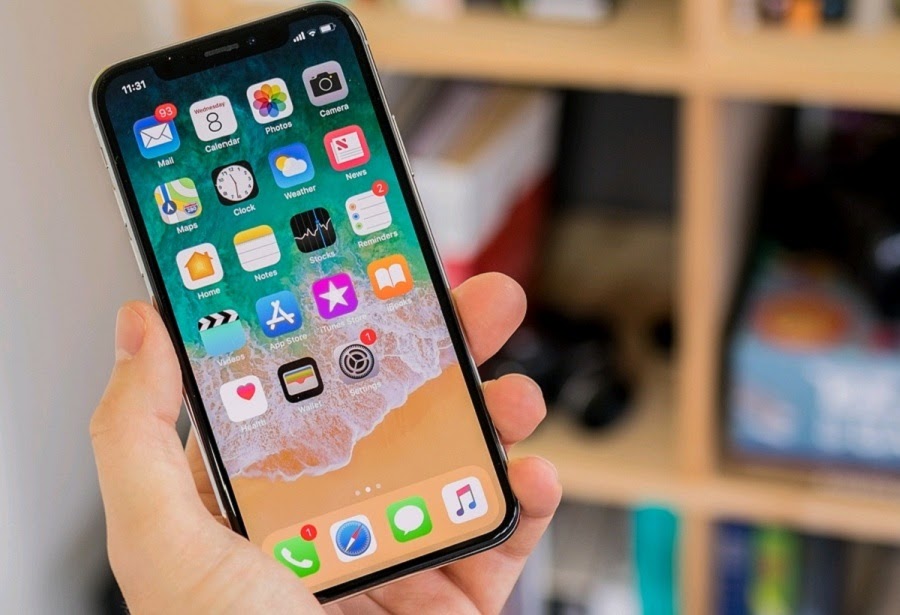
Mobile devices profoundly changed how players connect with digital gambling platforms. The debut of iPhone in 2007 and following Android smartphones created possibilities for gaming beyond desktop PCs. Gamblers obtained capacity to visit platforms during commutes, lunch intervals, or while resting away from home.
Touchscreen layouts forced creators to redesign game inputs. Buttons became greater and more reactive to finger touches, substituting mouse clicks configured for desktop gameplay. Slot machines adapted upright arrangements that suited smartphone displays, while table games reduced configurations to match smaller displays.
HTML5 technology enabled flexible layouts that changed instantly to different screen dimensions and formats. Games operated fluidly on devices with varying processing abilities, guaranteeing consistent interactions across economy and flagship smartphones.
Mobile gaming now generates predominant revenue for numerous providers. Gamblers value versatility to shift between devices mid-session, launching games on machines and resuming on phones. Push notifications remind members about offers and competition options, which holds Rainbet customers engaged throughout the day.
The development of instant dealer gaming
Real-time dealer offerings arose in the mid-2000s as operators tried to mimic physical casino atmospheres. Trained hosts operated from specifically constructed facilities fitted with multiple cameras that captured gameplay from various positions. Players viewed genuine cards being distributed and physical roulette wheels spinning through HD video feeds.
Initial versions faced system difficulties. Video resolution suffered from encoding glitches, and delays between player inputs and dealer replies created frustrating experiences. Capacity restrictions limited the number of parallel participants at each table.
Technological upgrades converted live gaming into a premium product. Multi-camera arrangements permitted users to change between top-down views, close-ups of cards, and expansive perspectives of complete tables. Optical character recognition software mechanically detected card ranks and game outcomes, removing hand data inaccuracies.
Specialized locations now work around the clock across various time regions. Operators present blackjack, roulette, baccarat, and poker variations with diverse betting limits. Real-time communication capabilities facilitate interaction with dealers and other players, which generates Rainbet casino social engagement absent from computerized games.
How payment innovations altered casino transfers
Initial online casinos counted mostly on credit cards and bank wire remittances for contributions and cashouts. Transaction periods took multiple days, and overseas payments attracted significant fees. Banks frequently rejected gambling-related payments due to compliance issues, disappointing users who had difficulty to finance profiles.
Digital wallets transformed casino payment in the beginning 2000s. Systems like PayPal, Skrill, and Neteller delivered buffer accounts that isolated gambling transactions from primary bank summaries. Gamblers sent cash to e-wallets first, then transferred cash to casino balances instantaneously. Cashouts processed within hours rather than days required for bank remittances.
Cryptocurrency uptake expanded after 2015. Bitcoin and competing virtual coins provided confidentiality, minimal transaction fees, and processing speeds measured in minutes. Blockchain system eradicated third parties, permitting unmediated movements between customers and providers.
Contemporary transaction frameworks support multiple approaches suited to local tastes. Operators incorporate portable financial programs, pre-purchased coupons, and instantaneous transaction solutions that finalize transactions in real time, which makes Rainbet Italia loading balances effortless for worldwide users.
Customization through analytics-driven recommendations
Modern casino sites accumulate substantial data about user activity, preferences, and gaming patterns. Algorithms examine which games players play most commonly, how long rounds generally run, and what wagering ranges users choose. This data allows companies to customize encounters for each account member.
Suggestion algorithms recommend different offerings founded on past preferences. Users who favor designated slot styles get announcements when comparable titles debut. Those who like particular table game variations see applicable deals showcased on homepages. Personalized game interfaces present lately played offerings and recommended choices.
Bonus promotions conform to unique usage intensities and game selections. Active customers obtain different incentives than sporadic players. Platforms adapt free round deals to slot preferences and rebate percentages to average betting levels.
Communication methods incorporate individual data intelligence. Email promotions showcase games and contests matched to subscriber interests. Push alerts land at moments when players typically show highest usage, which guarantees Rainbet communications get to users during best activity timeframes.
The potential function of artificial intelligence in gaming offerings
Artificial intelligence tools extend beyond simple suggestion platforms in current casino platforms. Machine learning models spot abnormal betting behaviors that may indicate compulsive gambling activity. Programs observe play times, funding intervals, and wagering escalations to spot players who might benefit from responsible gaming interventions.
Assistants driven by natural language processing process routine user requests without manual intervention. These mechanical assistants field questions about promotions, clarify game regulations, and solve common system challenges around the clock. Enhanced programs grasp background and tone, routing complex problems to person operators when required.
Fraud mitigation counts heavily on artificial intelligence features. Models examine thousands of factors to separate genuine customers from deceptive profiles. Programs mark irregular entry areas, abnormal financial methods, and synchronized stake behaviors.
Future deployments may incorporate adaptive complexity in ability-based offerings and flexible return models. Vocal identification could enable voice-controlled gaming commands, while predictive analytics might forecast technical challenges before customers experience problems, which would permit Rainbet casino preventive service interventions.
What the next wave of digital platforms may seem like
Virtual reality platform provides immersive gambling spaces that recreate actual casino areas. Players wearing headsets could navigate through virtual lobbies, sit at electronic tables, and interact with other participants through avatars. 3D sound would recreate background sounds of slot machines and table chatter, while touch input might mimic token management sensations.
Blockchain implementation may expand outside payment management. Smart protocols could mechanize payout allocations, authenticate game honesty through transparent systems, and create decentralized sites without single controllers. Participants might control virtual resources as non-fungible tokens.
Interactive elements could dissolve lines between gaming and leisure. Systems might incorporate streaming capabilities where participants stream rounds, competition watching with analysis, and cooperative tasks requiring collective collaboration. Gamification components would recognize dedication through milestone mechanisms adopted from video games.
Regulatory systems will possibly advance parallel to gaming improvements. Digital compliance platforms could confirm player identities immediately, enforce geographic controls, and verify safe gambling measures activate correctly, which renders Rainbet Italia operations more efficient across different jurisdictions.